



We often hear that a sedentary lifestyle is the new smoking. As an increasing percentage of the population has transitioned from manual labor to desk jobs, the impact of these lifestyles is becoming quickly apparent. Meanwhile, with the rise of remote work, especially post-pandemic, there has been a notable increase in sedentary behavior among professionals.
In the short term, poor alignment at desk workstations can fuel a range of RSI injuries and musculoskeletal problems. Further, long-term sedentary lifestyles can contribute to a range of other, more serious health complications. Prolonged sitting is increasingly recognized as an independent risk factor for cardiovascular disease. If you live with more of a lifestyle, you have a higher chance of being overweight, developing type 2 diabetes or heart disease, and experiencing depression and anxiety.
This is a major problem on three fronts. First of all, the individual risks a plethora of lifelong health complications due to working conditions expected in an increasing number of professional, white-collar roles. Secondly, it means that enterprises will face a growing challenge in managing absenteeism and long-term health problems across their workforces. Finally, if left unaddressed, the prevalence of sedentary lifestyles is a ticking time bomb for healthcare systems that are already under pressure and juggling limited resources.
In the U.S., this is an especially pressing issue. For one, 9% of all adults in the US had repetitive strain injuries in the past 3 months, signaling widespread musculoskeletal risk factors. A separate study from the CDC found that the overall rate of physical inactivity – in which individuals are completely sedentary – sits at 25.3%. This study also found a strong geographical slant to the levels of inactivity, with states in the South faring worse, and those in the Northeast faring better.
Even so, workplace absenteeism continues to rise across the US as a whole. In the U.S, the rate of absences skyrocketed from 3.2% in 2021 to over 6% in 2022, according to data from wellbeing solutions provider Workplace Options. The cost of unplanned absenteeism is estimated to exceed a staggering $600 billion a year, with an average cost of $4,080 per full-time employee and $2,040.
However, organizations have a new, AI-powered solution to build a healthy work culture as one of Europe’s most promising healthtech startups, Deep Care, comes to the U.S. for the first time.
AI-supported health assistance with Deep Care
Deep Care was first established in 2020 in Germany by a group of leading AI and technology specialists. Since then, the team has been developing new technologies that promote movement, ergonomics and mental health in everyday working life. The AI and healthtech startup is based in Ludwigsburg, with a New York subsidiary, and specializes in AI-supported prevention in the workplace.
With the aim of putting artificial intelligence at the service of human health, Deep Care is one of the European pioneers in the field of digital health and makes prevention tangible where it has the greatest impact: in everyday life.

According to CEO and cofounder Dr. Milad Geravand, the company has a clear vision to support every person who regularly works at a desk with access to smart health support.
He explained that, “We spend eight hours a day sitting down, usually for our entire working lives. Many people already use wearables such as Whoop or Oura to optimize leisure habits such as sleep, training or recovery. However, our working habits in particular, even though they make up the majority of our everyday lives, usually go unnoticed. This is exactly where Isa comes in.“
Dr. Geravard is passionately on a mission to fight the root cause of preventable diseases, with tech for lasting solutions. Before joining the founding team at Deep Care, he worked at Bosch Engineering for over 6 years and has extensive experience in research in assisted robotics.
He is joined by co-founders Jorge Avante Reyes and Dr. Raham Zarfam, Timo Forstner, Simon Fiechtner, and other team leaders.
The leadership team works with a growing, dedicated team of hardware and software specialists to improve the tools and solutions offered at Deep Care.
One of the key differences that Deep Care offers with its AI-powered solution, Isa, is the ability to make personalized support affordable and available to every employee. Isa is the world’s first health assistant specifically for office workers and offers a unique solution for health prevention at VDU workstations.
In the company’s largest study with TUM, considered by many to be the number one university in Germany and 19th globally in engineering and technology, with over 2300 participants across more than 50 institutions, the solution showed significant effects of 53% sick leave (absences) reduction, as well as up to 56% productivity improvements.
While most organizations already have some form of occupational care program in place, these often deliver generic support frameworks that fail to recognize nuances in the habits and environmental factors at play for each person. This means that these programs often failed to get to the root cause of problems that were piling up challenges for the employee.
Deep Care promises to change this for good.
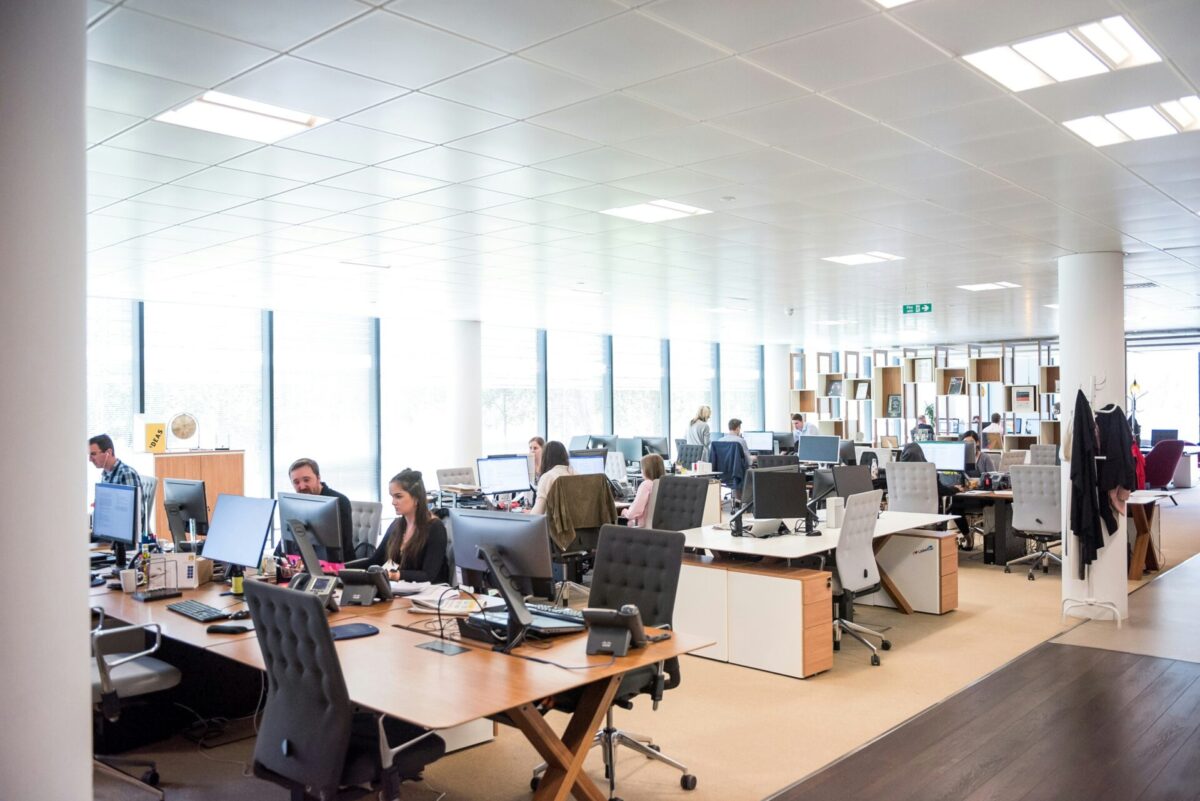
Using AI to reduce the risk factors associated with sedentary behavior in the workplace
The AI-powered health assistance tool, based on the previous version of Isa, is already being used by over 260 companies and health insurance companies across Europe. In addition to musculoskeletal and metabolic prevention functions, the new Resilience Coach also extends the system to recognize cognitive and mental stress. The algorithms for evaluation were developed by Deep Care, while the underlying methods are partly based on research contributions from the Fraunhofer Institute for Computer Graphics Research (IGD).
The solution has also been deeply integrated in the German health system, including within the largest health insurance providers such as TK, AOK, and DAK, and the largest health and safety provider, BG Prevent.
While Deep Care has already helped hundreds of companies to build a healthy work culture and improve the well-being of each employee, its unique AI-powered offering is now available in the US for the first time. Deep Care is already working with UC Berkeley and Cigna, and it’s now on a mission to support more organizations and corporations across the US to tackle the occupational health hazards associated with sedentary work immediately.
This comes at a pivotal moment for the US as it enters a new era of preventative care. US health spending is undergoing a massive reallocation, shifting from ~80% treatment-focused to a majority prevention and well-being by 2040, per Deloitte.
Catching conditions sooner could save the system more than $3.5T in downstream costs and solutions like the Isa Resilience Coach from Deep Care are going to usher in this new approach, where virtual care, sensors, and healthtech scale and interventions become proactive and continuous.

Deep Care recognized with CES Innovation Award as it enters US Market
As Deep Care enters the US market, it follows on from a significant milestone for the German healthcare startup. Deep Care was awarded an Honoree of the CES Innovation Award 2026 in the Digital Health category.
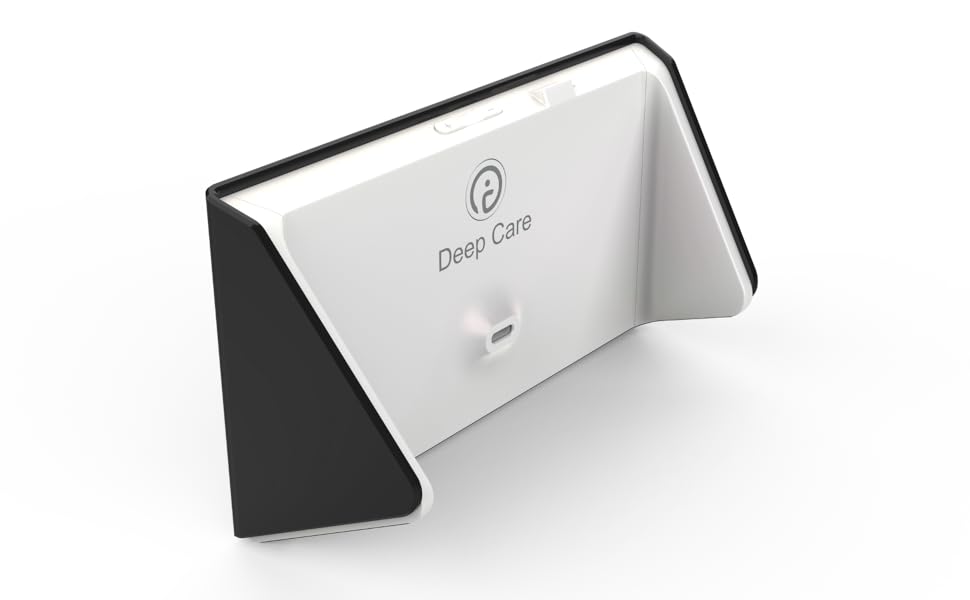
The jury of the world’s leading innovation trade fair honored the new ‘Isa Resilience Coach”, a sensor-based assistance system that recognizes stress signals in everyday working life and takes early countermeasures. The compact device uses locally operating AI to analyze breathing rate, gaze behavior and micro-movements, among other things, and delivers personalized impulses in real time – fully compliant with data protection regulations, without a camera or cloud connection. For example, Isa recognizes how long users are concentrating on a task and helps them to find a healthy balance between focus and recovery – long enough to get into the flow, but not so long that productivity decreases.
The CES award is not just recognition for Deep Care, but also a strategic milestone. It marks the start of the company’s positioning as a strong lifestyle health brand and its imminent market entry in the USA.
The company has been accepted into the renowned German Accelerator Programme, has already founded its own US company, Deep Care Inc., and is holding initial talks with US partners from the corporate health and insurance sectors and potential lighthouse customers. Initial pilot projects are in preparation. The Isa Resilience Coach is scheduled to go on sale in early 2026.