




San Francisco and the wider Bay Area have long been the beating heart of immigrant innovation in the U.S.
Starting in the seventies and eighties, computer scientists and engineers poured into the Bay Area from countries like Taiwan, China, India and elsewhere and, as immigration increased, so too did innovation; by 1998, a quarter of the region’s high-tech firms were being run by Chinese or Indian immigrants, creating thousands of jobs and earning billions in sales.
Top-tier Bay Area universities like Stanford and UC Berkeley became global magnets for foreign talent, producing famous immigrant-founder alumni which included Sergey Brin (Google), Jerry Yang (Yahoo!), Peter Thiel (PayPal), Mike Krieger (Instagram), Sanjay Mehrotra (SanDisk) and Sehat Sutardja (Marvell Technology Group).
Eugene Malobrodsky is one such Bay Area-based immigrant founder, having come to the U.S. from Lithuania as a teenager and studied at the University of San Francisco.
Malobrodsky co-founded the internet privacy and security company AnchorFree along with Russian-born David Gorodyansky, whose family moved to the Bay Area when he was 9 years old. AnchorFree created the high-profile Hotspot Shield, a public VPN service which was famously used by protestors during the Arab Spring to circumvent government-instituted censorship restrictions in Egypt, Tunisia and Libya.
Now, Malobrodsky is a Managing Partner at One Way Ventures, a San Francisco-based venture capital firm which invests exclusively in immigrant tech founders in the U.S. at the seed and pre-seed stage.
Malobrodsky is the driving force behind the upcoming One Way Summit, an annual conference which celebrates the contributions of immigrants to the U.S., the tech industry and entrepreneurship as a whole.
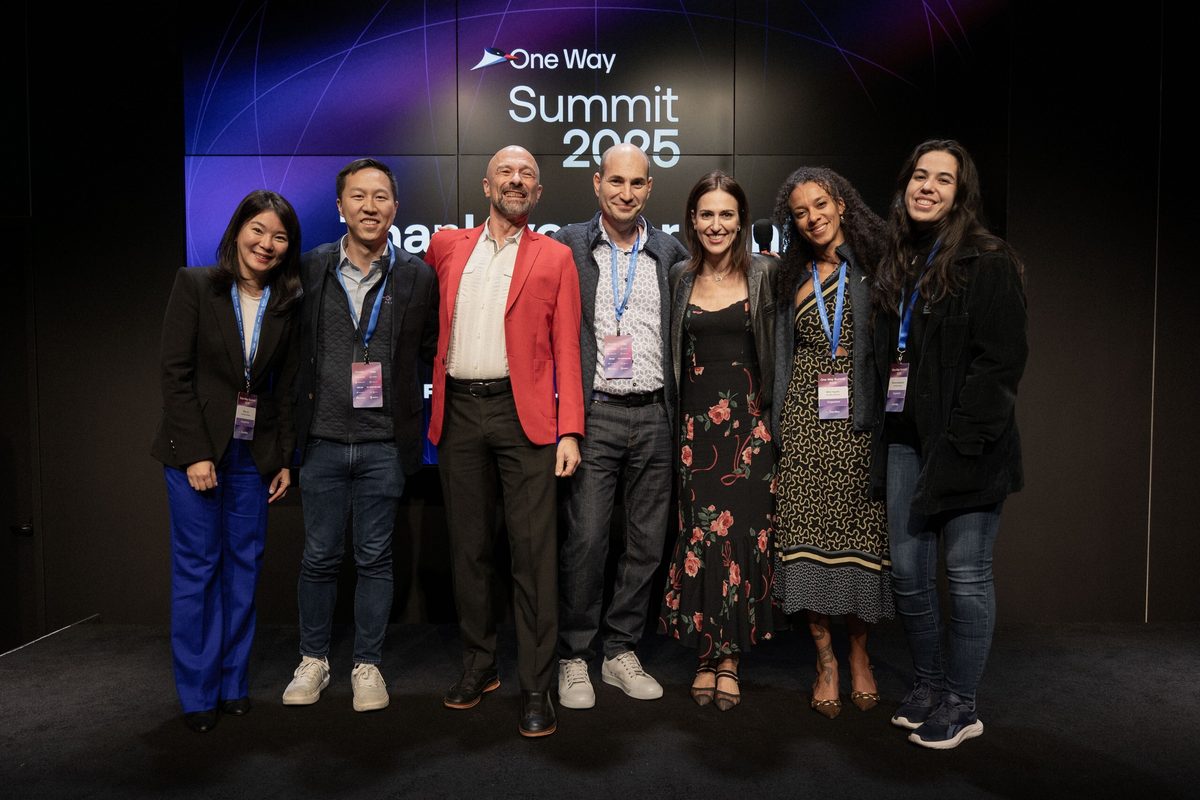
The summit markets itself as “the flagship summit for immigrant founders” and will, fittingly, take place in San Francisco, between October 28 and 29.
Notable speakers will include Duolingo Swiss-American co-founder Severin Hacker, Russia-born Head of AI for Civil Society and Philanthropy at the OpenAI Foundation, Anna Makanju, the British co-founder of Slack Cal Henderson, and other leading immigrant entrepreneurs.
Over 1000 global founders, venture capitalists and technology leaders will attend, while 100 immigrant-founded startups, nominated by the One Way Summit’s ecosystem partners, will compete in the conference in an inaugural international pitch competition hosted by Startup Grind, the world’s largest independent startup community.
The partners nominating competitors are made up of major country hubs, accelerators and startup groups from all over the world, and include high-profile names such as 500 Global, JETRO, GBx and Startup Island TAIWAN.
The competition will see founders, whose fields range from deeptech to fintech and AI, deliver a two-minute pitch to an expert panel, with the winners announced on the second day.
Despite increasing restrictions on immigration, One Way Ventures’ vision remains undeterred
Malobrodsky spoke about his personal story of being a first-generation immigrant in the U.S., and how that helped him to forge a successful entrepreneurial path.
“I grew up in Lithuania, a small country that was under Soviet occupation for a long time. Abundance wasn’t part of our vocabulary. My parents were both highly educated engineers, and they still had to worry about whether they could afford food. When you grow up like that, you learn to be frugal and solve problems with whatever you have in your hands today.”
“You get creative because you have no other choice. It also made me hungry for something bigger. I wanted to reach a place where I’d never have to think about whether I could afford the basics,” the Lithuanian-born founder continued.
That same desire to succeed at all costs and in spite of all obstacles is widespread amongst immigrant founders, and is a quality that One Way Ventures looks for in its founders, Malobrodsky emphasized.
“That’s the strength I see in immigrant founders. We’re willing to take big risks because what we have isn’t enough, or isn’t what we want. That hunger is exactly what we look for at One Way Ventures,” the managing partner declared.

Nevertheless, the current political landscape for immigrants in the U.S. is fraught with complications, given the second Trump administration’s broadly immigration-averse policies.
Brookings estimated that the U.S. saw net negative migration, between -10,000 and -250,000, for the first time in at least 50 years in 2025 as a result of the U.S.’s stricter immigration policies.
The White House has sought to extend the application of a $100,000 fee to all H-1B visa applicants outside the U.S. by an additional 12 months and although a judge invalidated this policy, government appeals to reinstate the enormous fee continue.
The Trump government has also capped the permitted residence period of F-1 and J-1 visa holders at four years, suspended major tech companies from applying to sponsor employment-based green cards and increased constraints on green card applicants themselves. The administration claims that such restrictions help U.S.-born workers.
However, Malobrodsky believes that investing in ambitious foreign founders is in the U.S. national interest.
“Look at AI, robotics, and chips today. Most of the leading companies were started by immigrants. In AI, it’s about 65% of the top U.S. companies.”
In hardware, China, Taiwan, and Korea have done amazing work in robotics and semiconductors, often in areas the U.S. hasn’t funded enough. When their best people come here, that expertise comes with them. That’s how we stay ahead,” he concluded.
Featured image: courtesy of One Way Ventures

Disclosure: This article mentions a client of an Espacio portfolio company.